The Inner Squirrel
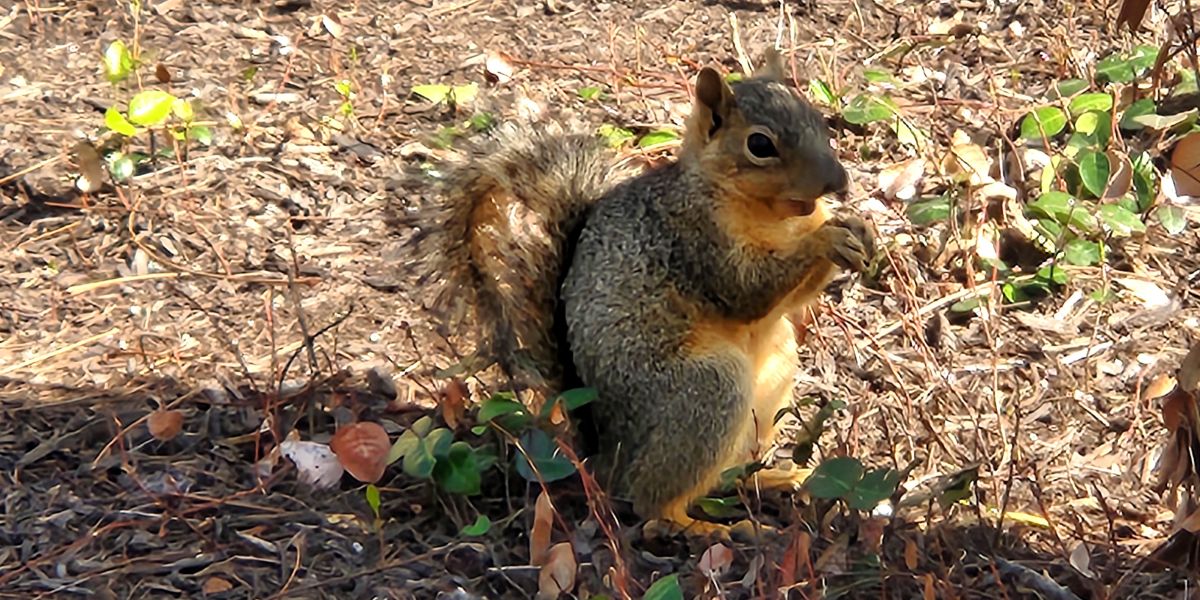
As a licensed clinical social worker, I admit there were times it could be challenging to work with someone who has an inner squirrel. You might ask, “What is an inner squirrel?” An inner squirrel is behavior associated with a particular thought process. The behavior might be during a session the person with the inner squirrel could easily be distracted and get off point. They might be chronically late or forget a recurring same time, same day of the week appointment. They might even cancel last minute because “of a crisis”, a crisis that happened so often it was just part of a chaotic life.
While all of those symptoms could be an intrusion into our therapeutic process, none of those things frustrated me.
For me, the frustrating part was that when clients talked about their inner squirrel, it was almost always for them to point out all the ways being easily distracted had damaged and destroyed their lives and their relationships with others.
While I understand that was their lived experience, I always felt concerned about what that meant to their self-esteem and confidence.
In therapy, there were always three things I wanted my clients with an inner squirrel to know:
- You are not a “bad person” if you are easily distracted.
- You can learn strategies to manage your inner squirrel.
- You have some really great personality traits that I am truly envious of!
If you are someone who has an inner squirrel:
- I am frequently entertained by you as you perform your craft of being a gifted athlete, actor, musician and/or artist.
- You are probably creative enough to have invented my cellphone or any number of the tools or devices I use on a daily basis.
- I want you to be my surgeon: someone who can, at exactly the same time, be hyper-focused and simultaneously be taking everything in that is going on in the operating room!
- You are probably the funniest, most empathetic person in any room.
People with an Inner Squirrel
The following five examples are people who exemplify the best of having an inner squirrel:
- Becca is a chef, an artist who is very creative, hyper-focused, structured, resilient and self-aware.
- Charlotte is a licensed clinical social worker who is compassionate, empathetic, motivated and has a strong value system that includes a belief in justice.
- Eben is a park ranger who is adventurous, energetic, has a great sense of humor and is very social.
- Jamie is an air traffic controller who is adaptable, a multitasker, a problem solver, and highly spontaneous.
- Russ is an entrepreneurial business owner who sees the big picture, someone who is persistently a risk-taker.
I am always in awe of how someone with an inner squirrel sees the world.
Characteristics of Having an Inner Squirrel
There are many positive characteristics of someone with an inner squirrel. They include:
Adaptability: Someone with an inner squirrel is adaptable. They have to be! They are able to roll with the punches. They are used to chaos!
Adventurous: People who have an inner squirrel like to try new things or do routine things in a different way, sometimes more efficiently!
Big Picture People: Because they don’t place hierarchical value on anything or any idea, the person with an inner squirrel can make connections between seemingly unrelated items.
Creative: Someone with an inner squirrel is frequently an out-of-the-box thinker. They view the world through a different lens than most people.
Empathetic: Because of their own experiences, people with an inner squirrel tend to possess a deep sense of empathy and compassion for others.
Energetic: While most people think of this negatively in terms of disruption to classmates or work colleagues, they tend to be excellent at sports and other physical activities.
Sense of Humor: People who have an inner squirrel often use self-deprecating humor to cope with difficult situations, reduce stress, strengthen bonds and change minds.
Sense of Justice: After living with accommodations or perhaps struggling without them, people with an inner squirrel know that “fair” doesn’t always mean “equal.”
Motivated: People with an inner squirrel are either great procrastinators or they are highly motivated. They frequently encourage others to never give up.
Multitasker: Those with an inner squirrel frequently thrive and are more productive when they have multiple things going on at once.
Problem Solver: Living with an inner squirrel requires people to approach tasks differently which means they can become great problem solvers.
Resilient: People with an inner squirrel have faced and overcome difficulties and adversity, making them a very resilient group of people. They know how to look on the bright side.
Risk Taker: People with an inner squirrel often have a higher risk tolerance than people without one. A person with an inner squirrel might be more empowered to try a risky, never tried before solution to a problem.
Social: Spontaneity, outside-the-box creativity, and heightened energy are all traits of people with an inner squirrel. They are frequently the life of the party!
Spontaneous: Many people with an inner squirrel enjoy the unplanned moments and adventures that keep life interesting, and individuals with an inner squirrel excel in this area.
Summary
If you are someone with an inner squirrel, it is so easy to focus on how easily you can get distracted. Others will point out to you on a regular basis how difficult it is to be around you because you are so easily distracted. Those comments are not helpful and only serve to make you feel like your way of processing information is wrong. It isn’t.
Your way of processing information is just different. And if you can start thinking about all the good things your inner squirrel brings to you and to a relationship, maybe you can start feeling more positive.
For more information about inner squirrels, please check out my book – How to Tame Your Inner Squirrel: 8 Strategies For Managing Your Distractions
With warmest regards,
Thank you so much for reading this blog. If you enjoyed the content, please check out other blogs at:
RelationshipsRelearned.com
RVingNomads.com
In addition to blogs and articles, I have written a series of self-help books called The Personal Empowerment Series and a fictional series named The Charlotte Novella Series. To view my books and novellas I have written, please go to my Amazon Authors Page.
To be notified of future posts, please enter your email address and click on the Subscribe button.
If you live in the State of Maine or Texas and seeking individual therapy, please go to my Therapy website: KathrynMaietta.com
| AI has not been used to create any content for my website, articles, blogs or books. All material is original unless otherwise noted. All photos and graphics within my website and blogs were taken or created by David Harrington or Kathryn Maietta. |







Leave a Reply
Your email is safe and will not be shared.